Whether you're a new host or a seasoned Airbnb veteran, bookings slowing down will always be a cause of concern. Professional Airbnb management company Hometime recommends checking the following:
Pricing: if your prices are too high compared to similar properties in your area, you may need to tweak your prices.
Minimum stay settings: try to reduce your minimum night stays to 2-3 nights to encourage shorter stays. Limit 1-night stays to fill booking gaps only, to avoid risk of parties.
Improving your listing: you may need to write new descriptions, take better photos, or get more reviews from previous guests.
Distribute your listing on other channels: just Airbnb alone is not enough; try listing on Booking.com or Vrbo to get mor eyes on your property.
If your bookings still do not increase after applying these changes, consider working with a management company who can help you earn more while you do less.
Airbnb not getting bookings? It’s more involved than you think
If you’ve created your short-term rental (STR) listing, added a few photos, and waited for bookings to roll in, only to hear crickets, you’re not alone. Many new and even experienced hosts go through slow periods or sudden drops in reservations. The reality is, short-term rental success isn’t a simple case of set-and-forget — active Airbnb management of your property is a must.
From pricing missteps to incomplete listings and outdated photos, there are dozens of reasons your property might not be performing. The good news? Most can be fixed, and faster than you think.
Why am I not getting STR bookings?
You might be wondering, “Why am I not getting bookings on Airbnb?” or perhaps your listing has lost traction on other platforms like Booking.com or Vrbo? We’ve seen thousands of listings in different markets across Australia, and a few challenges come up time and again:
1. Pricing that’s not competitive
Many hosts set their nightly rate once and leave it there for months. This often ignores:
Seasonality: School holidays, public holidays, or local events can affect demand and price expectations.
Market trends: Similar properties in the area may be offering better rates or promotions.
Last-minute booking behaviour: Some guests book within days of arrival, but only if your rate is attractive.
Static or inflated pricing can push your listing down in Airbnb’s search results, making it harder for guests to find you in the first place.
2. Calendar and booking gaps
A rigid calendar can make your listing unattractive - even a couple of empty nights here and there add up over a month. Common blockers include:
no gap-filling strategy for single nights between bookings, and
advance notice requirements which exclude last-minute stays.
3. Poor listing quality
Poor-quality photos, unclear descriptions, or missing amenity details can all damage your booking’s appeal. In a competitive market, guests scroll past listings that don’t stand out, and your booking platform’s algorithm takes note. For hot tips, download our listing quality checklist.
4. Negative or missing reviews
New listings face an “incubation” period where reviews are critical. Without early positive feedback, your booking platform is less likely to push your listing to the top of search results. A few low-star reviews can also have a long-term impact if not addressed and balanced out with better guest experiences.
5. Limited visibility across booking channels
Bookings on Airbnb slowing down? Airbnb isn’t the only platform you should be listing on. By listing on one platform, you limit your reach and risk losing bookings to properties with a wider distribution.
How to fix these issues yourself
If you want to tackle these problems as a self-managing host, here’s where to start:
Adopt dynamic pricing
While Airbnb’s Smart Pricing is a start, use automated pricing tools like AirDNA for market data and insights and PriceLabs to adjust your nightly rates based on demand, seasonality, and competitor activity.
Expand to other channels
Consider listing on Airbnb, Booking.com, Vrbo, and other short-term rental sites at the same time, instead of just one. This increases your property's exposure and diversifies your income stream if one platform slows down.
Improve guest management
Respond quickly to any enquiries, ideally within an hour if possible. While templated messages are valuable for instructions (such as check-in and check-out reminders), it's also important to keep communication warm and personal.
Optimise your listing
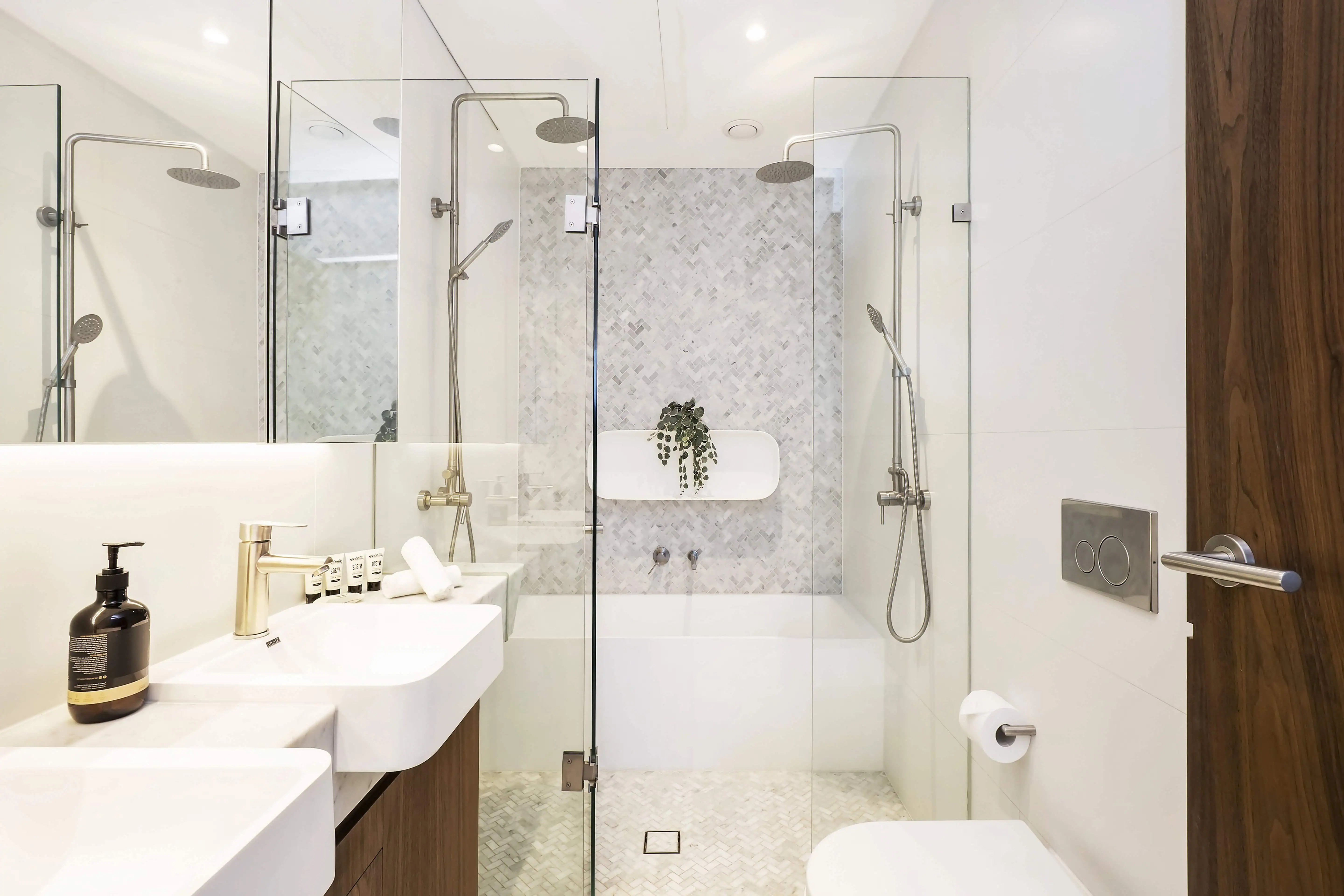
Photography: Invest in professional photos to give your listing the ‘hero shot’ it deserves. After all, it’s the first photo guests will see when searching for a stay. Airbnb’s data shows listings with high-quality photography can get up to 24% more bookings than those without.
Description: Write in clear, inviting language. Be as descriptive as possible to help guests decide if it’s the right property for them. Focus on unique property features like scenic ocean views or a central location and nearby attractions.
Amenities: Complete your amenity list so guests can filter and find your property.
Seasonal updates: Refresh your title and description for different times of year (e.g. “Beachfront retreat for summer holidays”).
The benefits of partnering with Hometime
While the DIY route works for some, many hosts find it challenging to manage and optimise all of the above. That’s where Hometime steps in. With Hometime, your management fee covers an all-inclusive service offering so you can rest assured your property is in the right hands. We’ll help you earn more, while you do less. Our services include:
Data-driven pricing that works year-round: Our in-house revenue management team treats every property individually, taking into account booking pace, local events, unique property features, and comparable listings. This isn’t set-and-forget: we adjust rates daily to capture more high-value bookings, not just any booking.
The result? On average, properties saw an 11% rise in occupancy and a 9% revenue increase during peak season after applying our dynamic pricing strategies.
Filling your calendar strategically
We don’t just open your calendar and hope for the best. We use gap-filling strategies, flexible minimum night settings, and targeted promotions to maximise both occupancy and nightly rate.
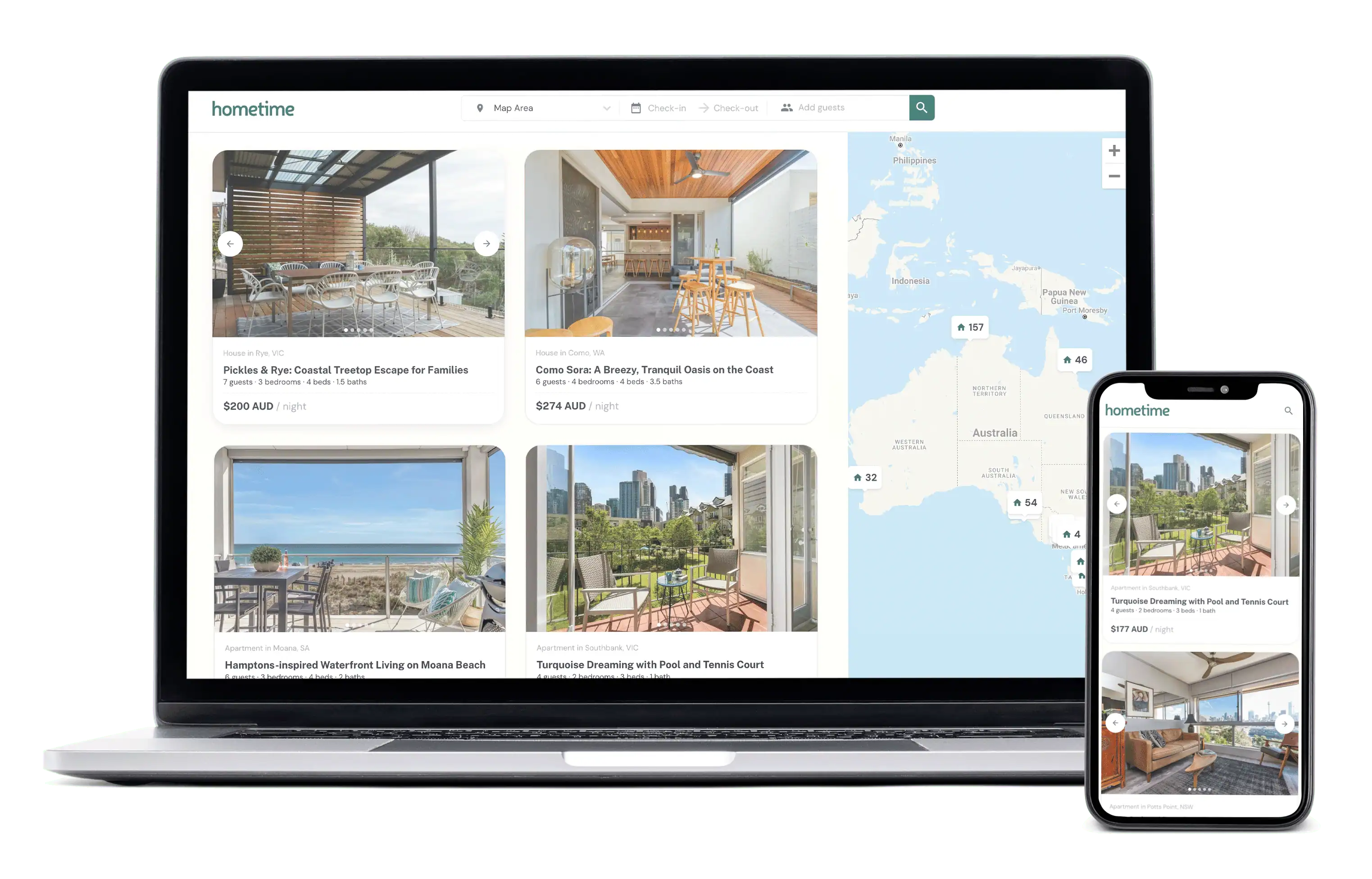
We also promote your property across our direct booking site Hometime, as well as Airbnb, Booking.com, Vrbo, and their expanded distribution network, including Stayz, Trivago and Expedia. This increases your reach and keeps bookings flowing, even if you’re not getting bookings on Airbnb.
Professional listing optimisation
Hometime’s team of expert portfolio optimisation specialists use internal data sourced from thousands of listings to help your listing stand out in search results and convert browsers into bookers. After optimisation, our listings record a 36% improvement in conversion rates on average.
We handle: professional photography, expert copywriting, and more.
Local, on the ground support
Every Hometime homeowner is matched with a dedicated local host who takes care of your property as though it were their own. They welcome your guests, answer their enquiries, and enforce house rules. They also oversee Airbnb cleaning, styling, and maintenance, which includes providing hotel-quality linen and restocking essentials.
Guests rate our local hosts’ communication 10% higher on average than Airbnb competitors, leading to better reviews, and better visibility.
Ongoing performance monitoring
We track your property’s performance daily, especially in the first 90 days (“incubation period”) when reviews and early bookings matter most. If something’s underperforming, we make immediate adjustments rather than waiting for months of lost revenue.
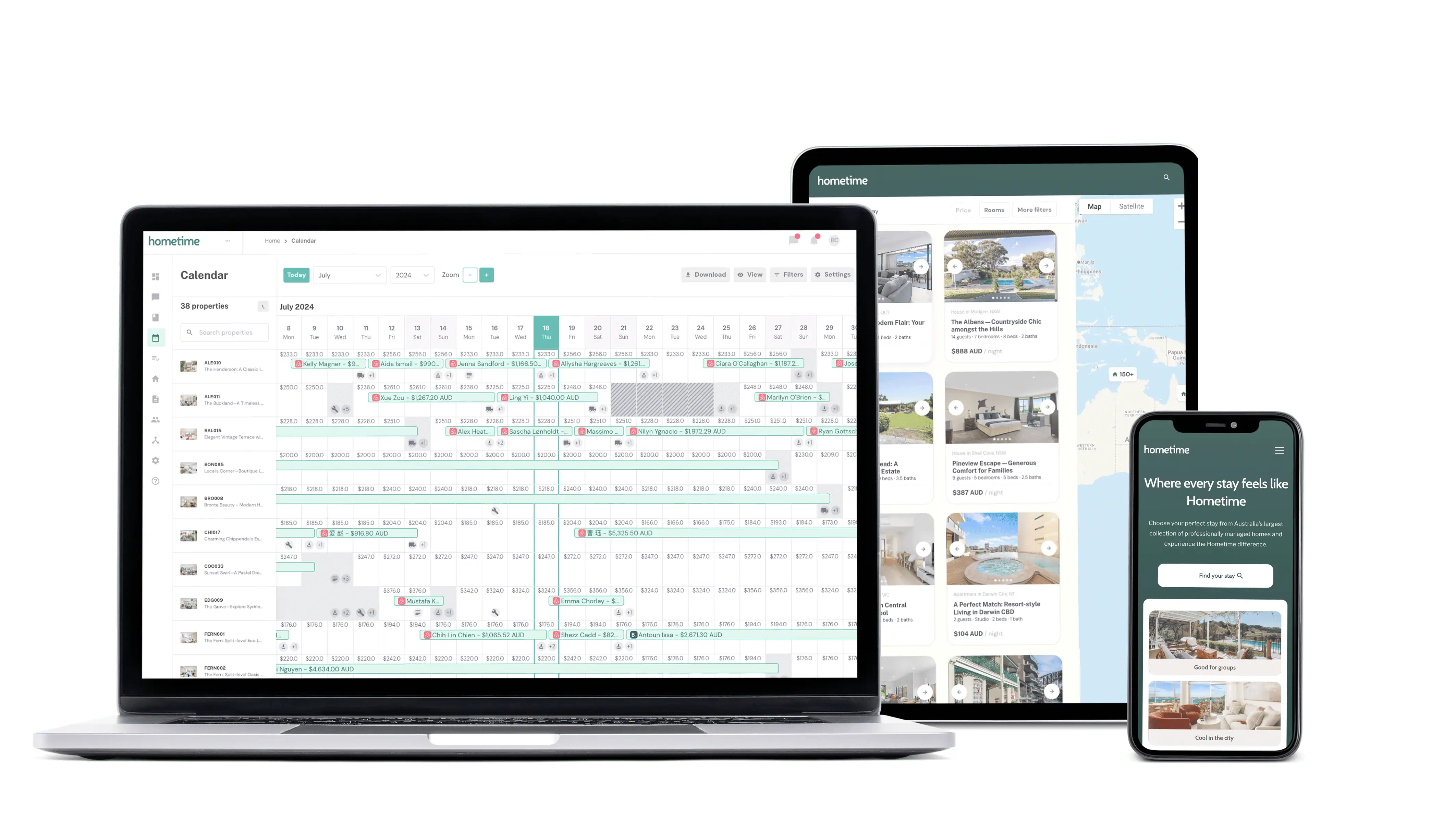
You'll also have access to the Hometime Owner Portal, your central hub for everything to do with your property. In the portal, you can view your booking calendar in real-time, instantly block out personal dates on your property, see guest reviews or ratings, and track your earnings and performance.
It’s transparent, easy to use, and keeps you connected to your property’s success without adding to your workload.
Before and after: The Hometime effect
Case study — Mornington Peninsula
From slow start to nearly fully booked — Teresa's Mornington Peninsula home
Teresa owns a three-bedroom home on the Mornington Peninsula. After a quiet start, Local Host Glen helped her build reviews, optimise the listing and get pricing right. Within weeks, the calendar filled up — and it's stayed that way.
“We've been booked out for the whole month. At the start, it took a little while, where I thought 'Yeah, we're not gonna get much bookings.' But our local host, Glen, was right; He said 'Look, you just need a couple of reviews. But once you get the reviews going, it will take off.' And it has.”
If you live in a seasonal market (think Sunshine Coast, Gold Coast, or similar regions), then you may be entering the low or shoulder seasons, which could explain why bookings have slowed down.
Consider adjusting your prices to match the lower demand during off-peak seasons
How do I increase my Airbnb's bookings?
Aside from adjusting your Airbnb pricing strategy, you can also consider multi-channel listings, taking new photos of your property, or tweaking your title or description to make it more eye-catching.







.webp)